

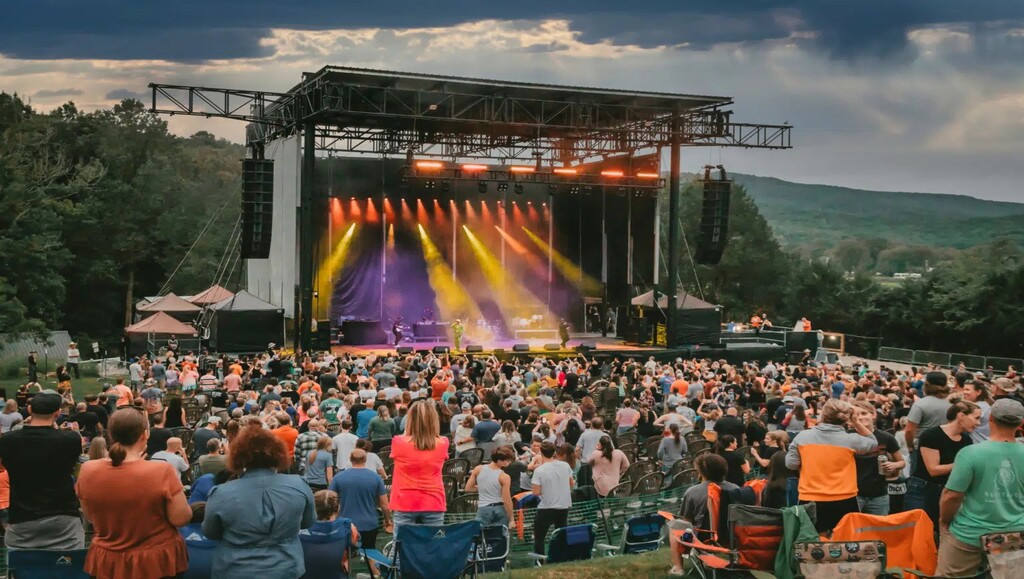

When you plan an event that needs a stage like a live concert, school play, wedding, or stages for full-scale festivals, the stage does more than just hold performers. It sets the mood and creates a memorable experience. With over 20 years of experience, I know that a good stage can turn an event into something special. This guide will walk you through everything you need to know to rent a stage for your next event. We will talk about safety, planning, budgeting, and even tips for saving money.

Set the stage for the perfect night.
- Understanding Stage Rental Pricing
- Factors Influencing Stage Rental Costs
- Stage Size, Stage Type, and Setup Considerations
- Cost to Rent Different Types of Stages
- Benefits of Choosing the Right Partner
- Your To Do List for a Successful Stage Rental
- 5 Proven Tips to Save Money on Stage Rentals
- Types of Stages Available for Rent
- Key Points Before Renting
- Custom Stage Setup Services
- Making the Final Decision
- Conclusion
Understanding Stage Rental Pricing
Budgeting for stage rental costs is an important part of planning your event. The cost of renting a stage depends on several factors such as the stage size, type, duration of rental, and extra features like lighting and sound.
Factors Influencing Stage Rental Costs
Here are some items that must be included in stage rental costs. After all, when you rent a stage, you do not just pay for a platform. Most packages include:
- Delivery and setup services
- Safety features like railings and adjustable platforms
- Optional extras like stage skirts, stairs, and basic lights
If you need added features, like advanced sound systems or LED screens, these may cost extra. Mobile stage rentals are a good option if you want a stage that is already built and can be easily moved.
Stage Size, Stage Type, and Setup Considerations
- Stage Size, Stage Type, Stage Setup
A small stage might cost around $200, while a large, high-tech stage for a big concert can cost over $50,000. Prices vary by whether the stage is indoors, outdoors, portable, or mobile. - Event Duration
Most companies charge per day. A one-night event may be affordable, but events lasting several days will cost more. Booking early might also get you a better deal. - Event Location
If your event venue is hard to reach or located in a remote area, extra fees may apply for delivery and setup. - Sound and Lighting Equipment
Good sound and lighting systems are a must. Sometimes these are included in the package, but other times you pay extra. - Setup Complexity
If the stage is hard to set up, you will pay more for extra labor.
Cost to Rent Different Types of Stages

- Cost to Rent an Outdoor Stage: Usually cost between $500 and $5,000 per day.

Portability matters.
- Cost to Rent a Portable Stage: The cost to rent a portable Stage is often less expensive, ranging from $300 to $3,000.

Stage to go.
- Cost to Rent a Mobile Stage: A mobile stage rental is great for quick setup. The cost to rent a mobile stage starts at about $1,500 and can go up to $10,000.

The classic concert stage.
- Cost to Rent a Concert Stage: The cost to rent a concert stage for live music starts around $2,000 and can go over $50,000 for larger events.

Festive festival stage.
- Cost to Rent a Festival Stage: The biggest and most impressive, the cost to rent a festival stage starts around $10,000 and can go beyond $100,000.
Benefits of Choosing the Right Partner
When you rent a stage, you are more than just renting a platform. You are creating a place where performers can shine and the audience can enjoy the show. It is very important to think about safety, how the stage works, and how the audience will see and hear the event. Good planning and working with trustworthy vendors like Altus Entertainment can make your event run smoothly.
Every stage rental is an investment. You must think about power, lighting, and the setup process. With the proper planning, your plans to rent a stage can be simple and stress-free.
Your To Do List for a Successful Stage Rental
Before you worry about paying and choosing a type of stage, keep this easy checklist in mind:
- Measure Your Venue and Stage Size
Make sure you measure your event space. Choose a stage that is just the right size, not too big and not too small. - Know Your Event’s Needs
Decide what your event requires. Think about whether you need special features like ramps, stairs, or extra spots for sound and lights. - Keep Safety First
The stage must be safe. Check that it is strong, has safe stairs or ramps, and includes proper handrails. - Plan the Layout for Performers and the Audience
Arrange the stage so that performers have enough space and the audience can easily see and hear the show. - Choose a Reliable Vendor
Work with companies that have good reviews and a track record of great service. Stay in touch with them and any other service providers like those handling sound and lighting. - Make Sure There is Enough Power and Lighting
Confirm that your stage has enough power for all your equipment. Test everything before the event starts. - Plan the Setup and Teardown
Set aside enough time to set up the stage before the event and take it down afterward. Check for any issues with loading and unloading at the venue. - Talk to Everyone Involved
Keep in regular contact with all parties, like the vendor, venue managers, and performers, so everyone knows the plan. - Check for Insurance and Reviews
Make sure the vendor has proper insurance. Read reviews and ask for references to be sure they are trustworthy. - Have a Backup Plan
Be ready for any problems. Always have a plan in case something goes wrong.
5 Proven Tips to Save Money on Stage Rentals

Waste confetti, not money.
- Choose a Mobile or Portable Stage Rental
These options need less time and work to set up, which saves money. - Pick the Right Size
A smaller stage that fits your audience well can reduce costs. Bigger is not always better. - Bundle Rentals
Look for vendors who offer packages that include stage, sound, lighting, and even furniture. Bundling can help you save money. - Book Early
Reserve your stage ahead of time to avoid high prices during busy seasons. - Compare Prices and Negotiate
Get quotes from several vendors. Ask for discounts if possible.
Types of Stages Available for Rent
Indoor Stages
Best for events in places like school auditoriums or dining halls. These stages often come in standard sizes such as 4×4 or 4×8 feet and can be easily adjusted.
Outdoor Stages
These stages are built to handle weather. They are perfect for festivals or outdoor shows. They might cost more because they need extra equipment, such as tents for weather protection.
Mobile Stages
Great for large outdoor events. Mobile stages come pre-assembled and can be quickly set up on site. They often include extra features like covers and mounting points for lights and sound systems.
Stages for Full-Scale Festivals
If you want something unique, you can design a custom stage. This lets you choose different shapes, colors, and textures to match your event’s theme. However, these stages are usually more expensive.
Key Points Before Renting
Before you rent a stage, think about these factors:
- Budget: Know how much you can spend, including extra features and setup costs.
- Space and Accessibility: Make sure the stage fits your venue and that there are no access problems.
- Load Capacity: Check how much weight the stage can handle, especially if you have heavy equipment.
- Timeline: Plan the setup and teardown so you are not rushed.
- Vendor Reputation: Choose a vendor with good reviews and a strong track record.
- Insurance: Make sure the vendor has insurance to protect against accidents.
Custom Stage Setup Services
Once you have your stage, you can make it look even better:
- Color and Texture: You might pick a stage with a color or finish different from the typical black.
- Branding: Add your logos and event colors to make the stage stand out.
- Shape: Consider using a circular or uniquely shaped stage to draw attention.
- Risers and Draping: Use risers to add layers and draping to cover wires and equipment. Good lighting can also change the mood.
Making the Final Decision
- When you are ready to choose a stage, ask yourself:
- What type of event am I planning?
- How many people will watch the event?
- Is the event indoors or outdoors?
- What extra equipment like sound and lighting do I need?
- Have I measured my space and planned the setup correctly?
Answering these questions will help you choose a stage that fits your event perfectly.

Setting the stage for success.
Conclusion
Preparing to rent a stage may seem hard at first, but with careful planning, and the right stage rental company it can be easier than you think. Following our comprehensive guide to stage rental costs. the checklist above, pay attention to details, and stay in close contact with your vendors. A good stage is not just a platform, it is where the magic of your event happens. With the right research and planning, and the support of experts agency such as Altus Entertainment, you can rent a stage that makes your event unforgettable. Thank you for reading this guide. I hope it helps you make a perfect plan to rent a stage for your event. Happy planning!