


- Summary
- Why Do We Celebrate Christmas? The Religious Significance
- 1. The Birth of Jesus Christ: The Heart of the Celebration
- 2. Symbol of Hope, Love, and Redemption
- 3. The Message of Peace and Goodwill
- The Historical and Cultural Roots of Christmas
- 4. Why Christmas Is Celebrated on December 25
- 5. Influence of Ancient Winter Festivals
- 6. How Christmas Traditions Evolved Over Centuries
- Traditions and Symbols That Make Christmas Special
- 7. Gift Giving: A Tradition of Generosity
- 8. The Christmas Tree and Decorations
- 9. Carols, Music, and Festive Gatherings
- 10. Feasting, Family Time, and Togetherness
- 11. Acts of Kindness and Charity
- Why Do We Celebrate Christmas | The Meaning of Xmas in Modern Times
- 12. Celebration of Faith and Family
- 13. Reflection and Gratitude at Year’s End
- 14. Promoting Love, Unity, and Generosity
- 15. A Global Festival Beyond Religion
- Conclusion
Summary
Christmas is a really special time of year, and it's worth understanding why we celebrate it with so much enthusiasm. At its heart, Christmas is a celebration of the birth of Jesus Christ, which is a really important event for Christians all over the world. This holiday isn't just about religion, though, it's also about hope, love, and the idea of starting fresh. The date we celebrate, December 25th, actually connects back to some older winter festivals from ancient times.Over the centuries, many traditions have come to be, like giving gifts as a way to show we care and putting up a Christmas tree covered in decorations that represent joy. Music is a big part of the season, with carols filling the air and bringing people together. The holiday is a great opportunity for acts of kindness and charity and to support those in need, reminding us of the importance of generosity. In modern times, Christmas still means a lot to families and communities. It encourages us to be grateful for the past year as it ends, and promotes love, unity, and generosity. That's why Christmas is so globally celebrated.
Christmas is a time of joy, unity, and reflection on its religious roots. This beloved holiday brings warmth and meaning to our lives, celebrated with traditions and love. Let’s explore 15 meaningful reasons why we celebrate Christmas holidays, delving into its rich history and significance.

Why Do We Celebrate Christmas? The Religious Significance

1. The Birth of Jesus Christ: The Heart of the Celebration
At the core of Christmas lies the celebration of the birth of Jesus Christ, a pivotal event in Christianity. This sacred occasion marks the arrival of the savior, whose teachings of love and compassion continue to inspire millions. Understanding this central event helps us grasp why we celebrate Christmas and appreciate its profound religious significance. Churches worldwide commemorate this event with special services, retelling the nativity story and emphasizing its spiritual importance.
2. Symbol of Hope, Love, and Redemption
Christmas symbolizes hope, love, and redemption, themes that resonate deeply during the holiday season. The story of Jesus’ birth brings a message of salvation and renewal, encouraging people to reflect on these timeless values. These Christmas facts remind us of the spiritual essence of the celebration. It’s a time to renew our commitments to kindness and reflect on the transformative power of faith and forgiveness.
3. The Message of Peace and Goodwill
Christmas carries a universal message of peace and goodwill. The holiday encourages individuals to strive for harmony, extending kindness and compassion to others. This message is a cornerstone of why Christmas is important, as it fosters a spirit of unity and understanding. Celebrations often include peace-themed activities, encouraging communities to come together in mutual respect and joy.

The Historical and Cultural Roots of Christmas

4. Why Christmas Is Celebrated on December 25
The choice of December 25 as the date to celebrate Christmas has historical roots. It coincides with ancient Roman festivals like Saturnalia, a time of joy and festivities. Understanding why Christmas is celebrated on December 25 adds depth to our appreciation of the holiday. This date was strategically chosen to align with other winter solstice celebrations, blending different cultural traditions into one.
5. Influence of Ancient Winter Festivals
Christmas has absorbed elements from various ancient winter festivals. Traditions like feasting, gift-giving, and merriment can be traced back to celebrations like Yule and Saturnalia. These influences highlight where Christmas originated and how it has evolved over time. The incorporation of these customs has enriched the holiday, making it a tapestry of diverse cultural practices.

6. How Christmas Traditions Evolved Over Centuries
Christmas traditions have transformed throughout history, adapting to cultural shifts and societal changes. From medieval celebrations to modern-day customs, these holiday traditions reflect the dynamic nature of Christmas and its enduring appeal. The holiday has expanded to include various cultural expressions, each bringing its own flavor and joy to the season.
Traditions and Symbols That Make Christmas Special
7. Gift Giving: A Tradition of Generosity
Gift-giving is a cherished tradition that embodies the spirit of generosity and love. It reflects the gifts brought to Jesus by the Wise Men and serves as a way to express care and appreciation for others. This tradition remains a central part of why we celebrate Christmas. Exchanging gifts strengthens bonds and serves as a reminder of the joy that comes from giving and receiving.
8. The Christmas Tree and Decorations
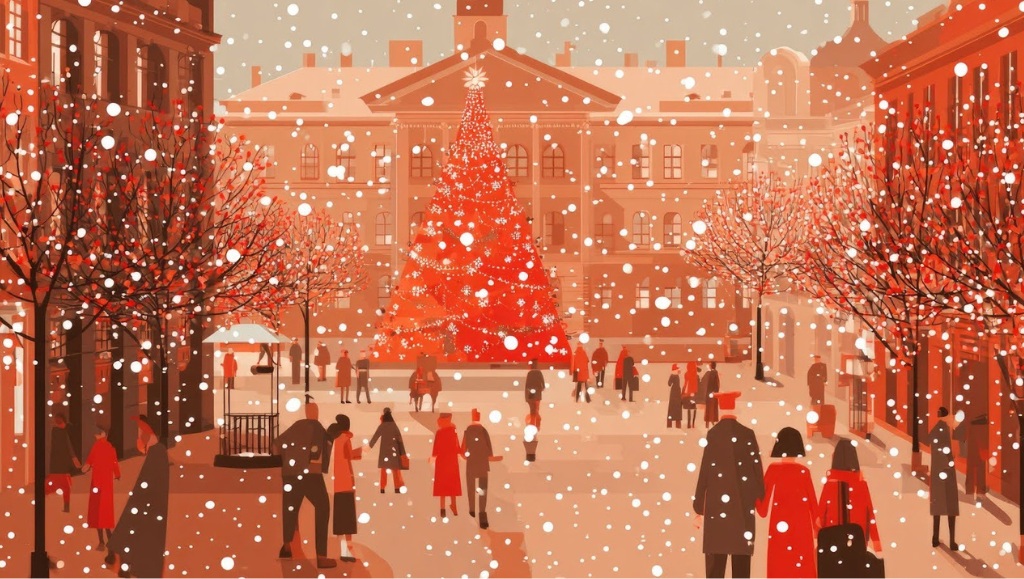
The Christmas tree, adorned with lights and ornaments, is a symbol of joy and celebration. This practice, rooted in ancient customs, adds beauty and festivity to the holiday. Decorating the tree is a beloved activity that brings families together. Each ornament often tells a story, creating a tapestry of memories that is cherished year after year.

9. Carols, Music, and Festive Gatherings
Carols and music bring warmth and joy to the Christmas season. Singing and listening to holiday tunes create a celebratory atmosphere, while festive gatherings strengthen bonds with loved ones. These traditions highlight what is the purpose of Christmas in fostering community. The melodies and lyrics of carols often spread messages of hope and joy, enhancing the holiday spirit.
10. Feasting, Family Time, and Togetherness
Christmas is a time for feasting and spending quality time with family. Sharing meals and creating memories with loved ones emphasize the importance of togetherness. This aspect of the holiday helps us reflect on why Christmas is important. The act of sharing a meal symbolizes unity and the importance of nurturing relationships. You can find more Xmas ideas to end the year with love.

11. Acts of Kindness and Charity
Acts of kindness and charity are central to the Christmas spirit. Whether through volunteering or supporting those in need, these actions embody the holiday’s core values. They serve as reminders of the love and generosity that define Christmas. Many people find joy in giving back to their communities, reinforcing the message of goodwill and compassion.
Why Do We Celebrate Christmas | The Meaning of Xmas in Modern Times

12. Celebration of Faith and Family
In modern times, Christmas remains a celebration of faith and family. It’s an opportunity to reconnect with spiritual beliefs and spend meaningful moments with loved ones. This dual focus strengthens the holiday’s contemporary significance. Families often create new traditions, blending old and new to keep the holiday fresh and meaningful.
13. Reflection and Gratitude at Year’s End
Christmas encourages reflection and gratitude as the year draws to a close. It’s a time to appreciate the blessings of the past year and look forward to new beginnings. This reflective aspect answers the question of what the purpose of Christmas is. Many use this time to set intentions for the coming year, fostering a sense of hope and renewal.
14. Promoting Love, Unity, and Generosity
The holiday season promotes love, unity, and generosity. It inspires people to come together, bridging differences and fostering a sense of community. These themes are woven into the fabric of why we celebrate Christmas. The spirit of the season encourages outreach and understanding, showing the power of collective goodwill.

15. A Global Festival Beyond Religion
Christmas transcends its religious origins to become a global festival. Celebrated by diverse cultures worldwide, it embraces various traditions and customs. This universality highlights why Christmas is celebrated and its unifying power. Different cultures add their unique touches to the celebration, creating a mosaic of global joy and festivity.
Conclusion
Christmas is more than just a holiday; it’s a reminder of love, generosity, and hope that unites people around the world. Its rich history and traditions continue to inspire joy and togetherness. At Altus Entertainment, we handle the details so you don’t have to, making your Christmas celebration festive and delightful. So let us all embrace the season and create cherished memories with loved ones, and truly discover the answer to the question, why do we celebrate Christmas?